Honor Emoji Set Now On Emojipedia
Emojipedia's archive now includes the new emoji designs that made their debut on various devices from Chinese manufacturer Honor, following a major update to their MagicOS earlier this year.

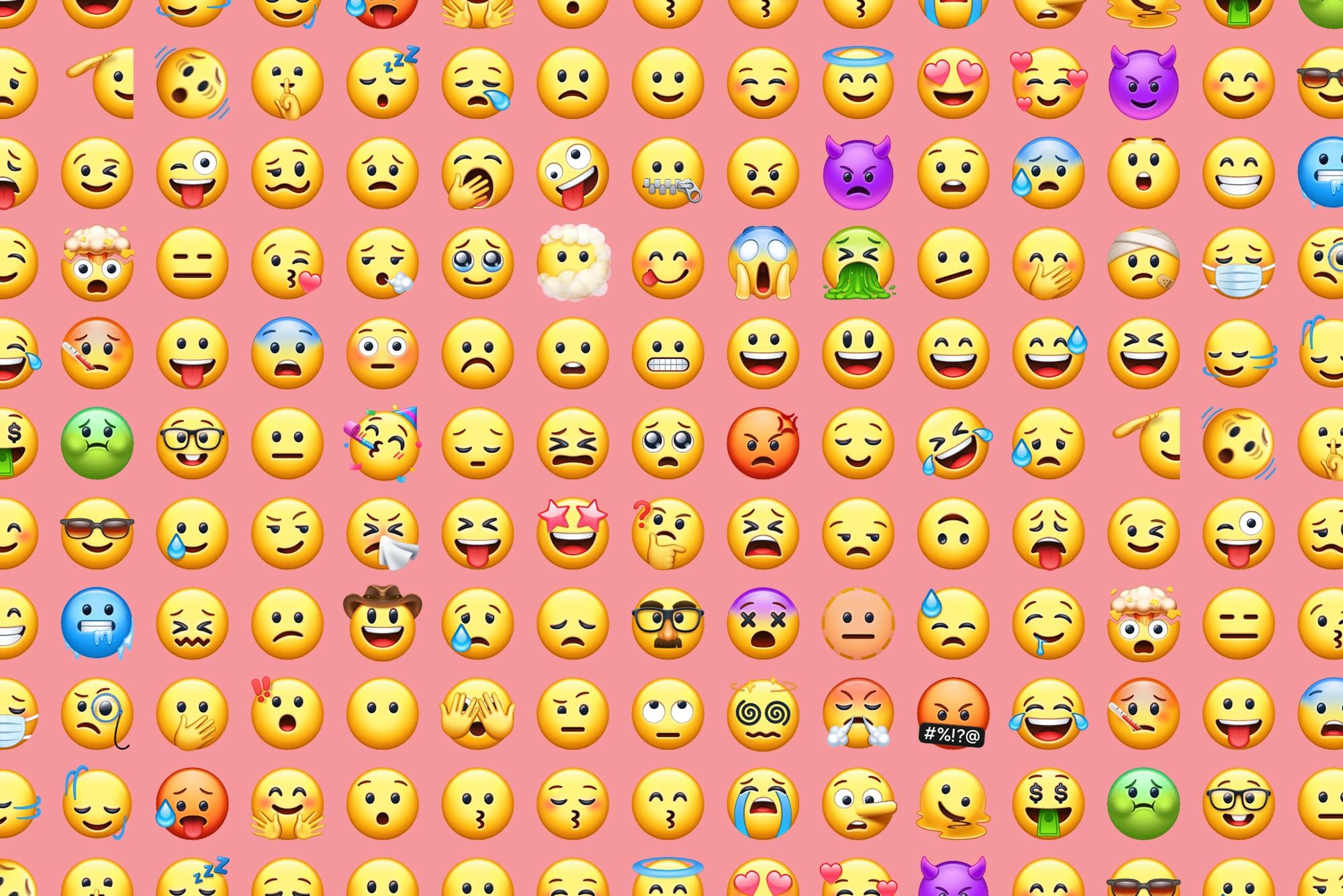
Emojipedia's archive now includes the new emoji designs that made their debut on various devices from Chinese manufacturer Honor, following a major update to their MagicOS earlier this year.
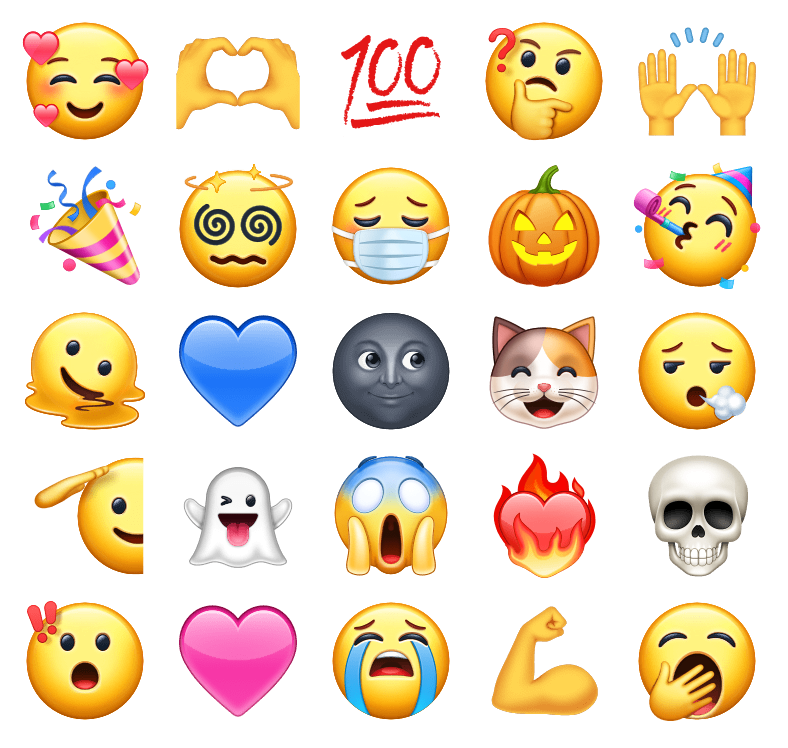
MagicOS 10, Honor's Android 16-based interface, began reaching most eligible devices in early 2026, with the new custom emoji designs prompting several instances of user commentary on Reddit from mid-February onward.
Honor's new emoji designs cover a subset of several hundred emojis from up to 2023's Emoji 15.1 list of recommendations (e.g. 🙂↕️ Head Shaking Vertically and 🙂↔️ Head Shaking Horizontally).
You can view the entire subset here.
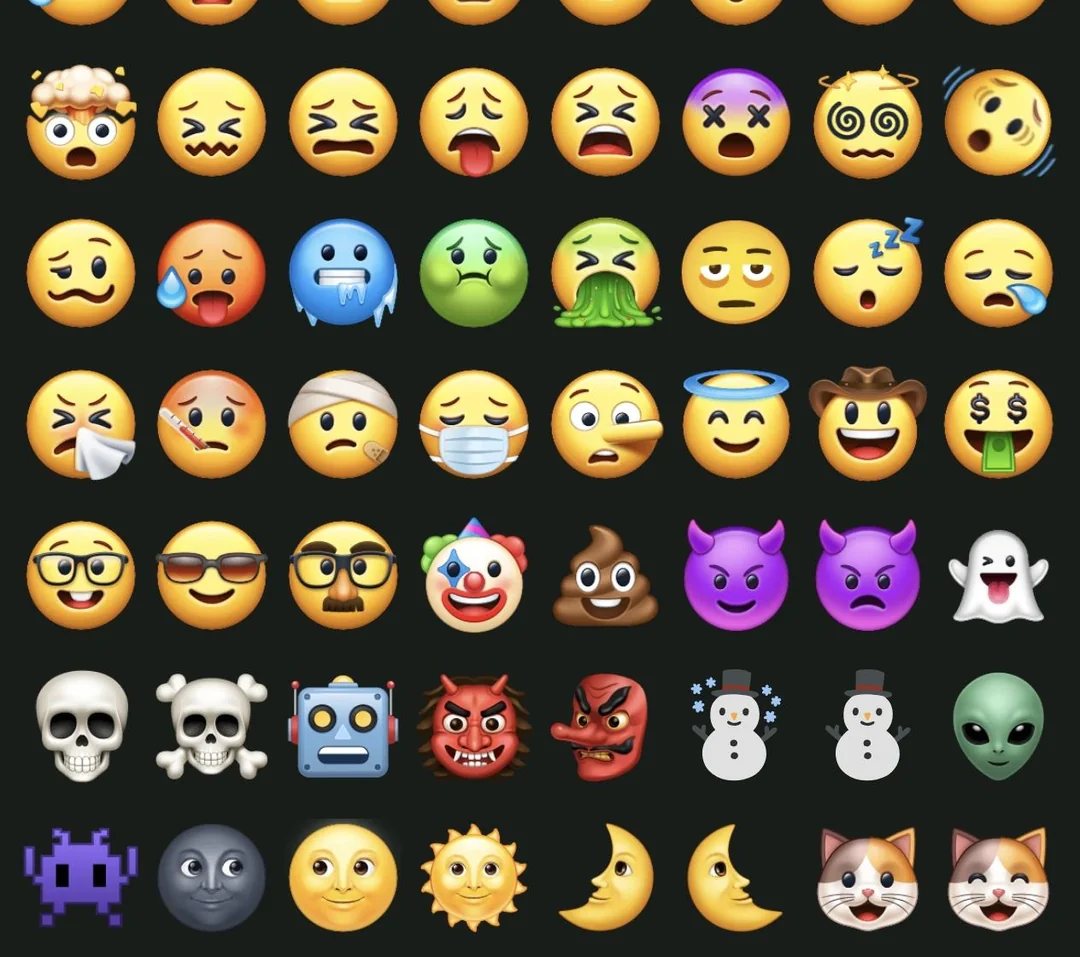
This subset of emojis includes all smileys up to Emoji 15.1, all the hearts, most gestures and body parts, as well as a smaller selection of symbols.
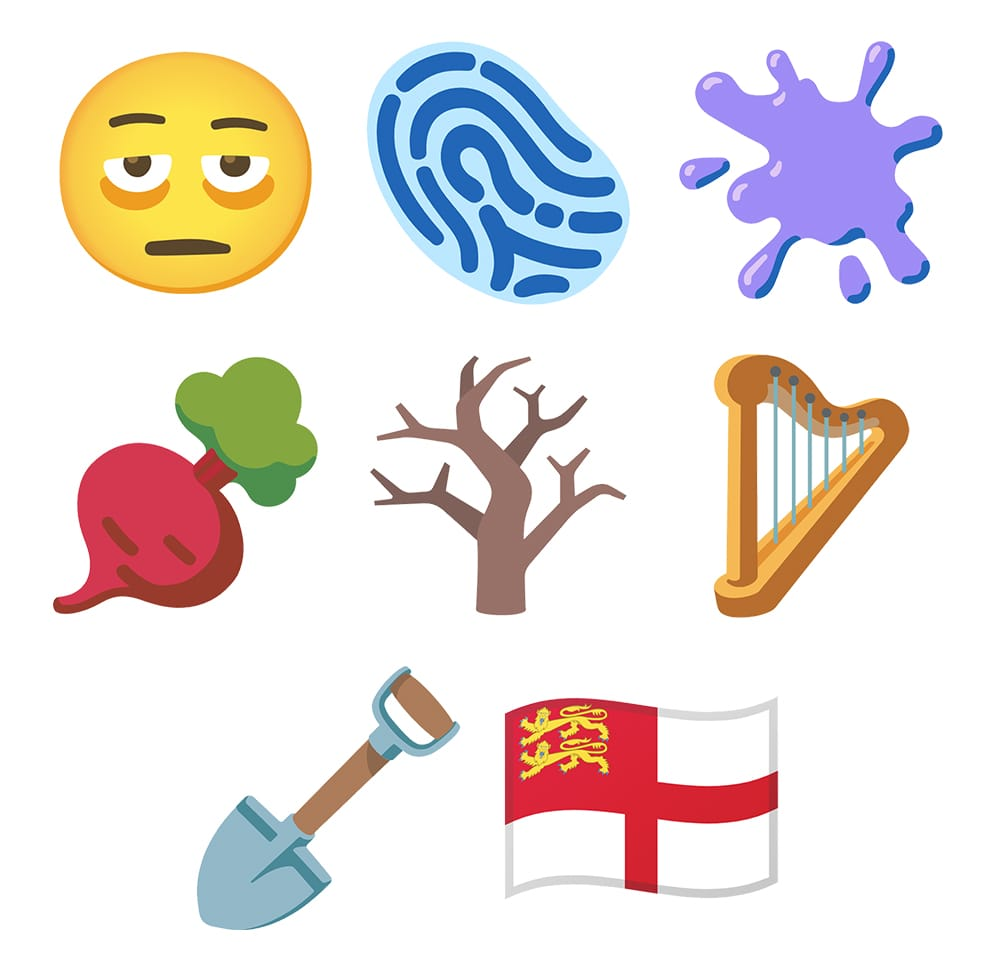
Everything outside that subset, including emojis from Emoji 16.0 (such as Face With Bags Under Eyes, as shown above), continues to display using Google's Noto Color Emoji designs from their implementation of support for Emoji 16.0 in 2024.
Honor & Huawei
With this release, Honor joined Huawei as a phone manufacturer to have introduced a brand new native emoji design set in recent years.
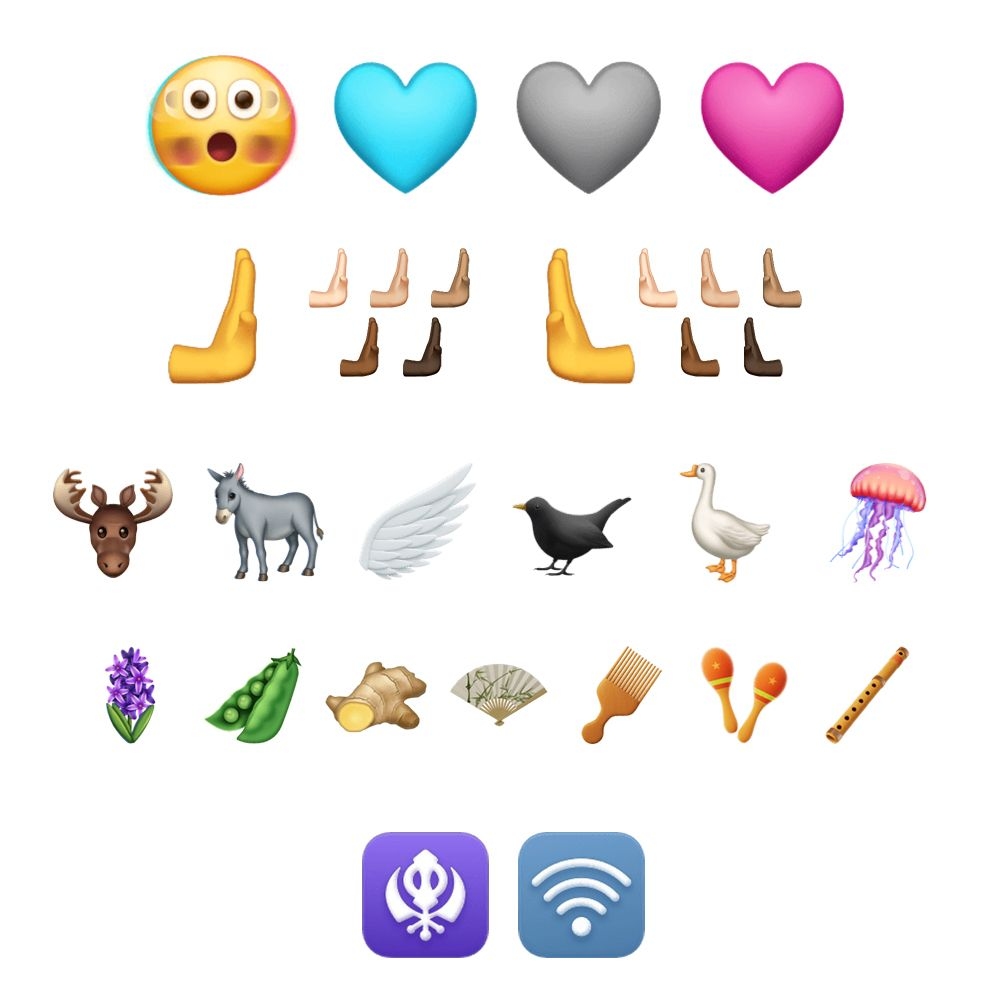
Huawei's own custom emoji set first launched in August 2023 via the HarmonyOS 4.0 update, and represented the first new device-specific native emoji set for an Android-based system since the wave of manufacturer-specific sets in the mid-2010s.
Of note: Honor was spun off from Huawei as an independent company in November 2020. Whether or not Huawei's introduction of its custom emoji design set influenced Honor to create their set is not currently known.
Huawei's set also makes notable use of additional features and visual morphemes / upfixes across its smileys, as shown below.
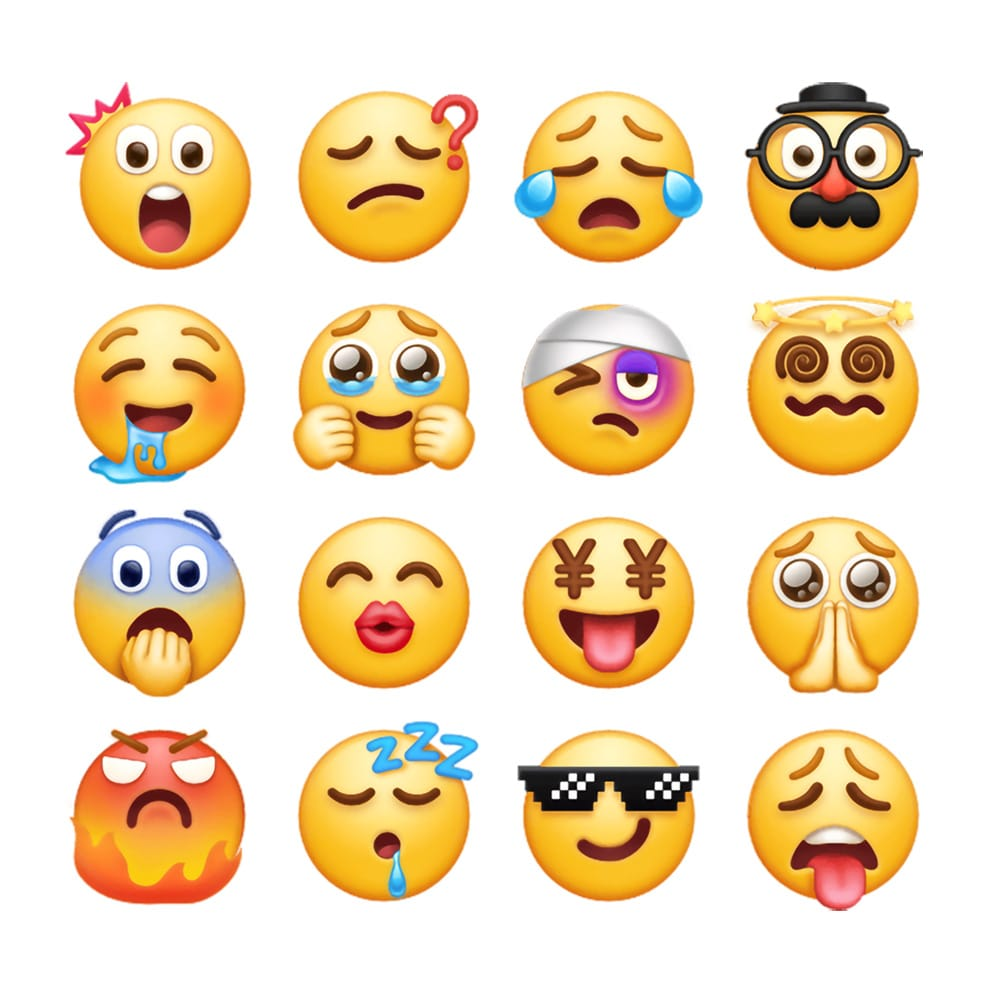
Honor's set also includes some such upfixes, though by no means as many as Huawei. Of note is that each of the upfixes within the Honor set is a representation of another emoji.
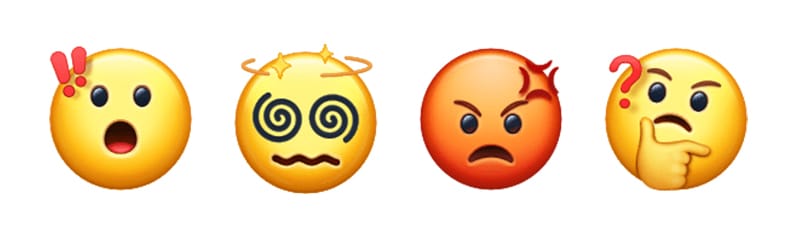
- 😮 Face with Open Mouth features ‼️ Double Exclamation Mark by its temple
- 😵💫 Face with Spiral Eyes has a prominent 💫 Dizzy symbol around its head
- 😡 Enraged Face includes an 💢 Anger Symbol (also shared with an early Samsung design)
- 🤔 Thinking Face features a ❓ Red Question Mark
Other Honor Design Highlights
Beyond these upfixes echoing some of Huawei's choices, many other designs within Honor's set echo other platforms' visual style (particularly Apple's, though this is not surprising) while other designs are completely unique to this Honor set.
Honor's colour hearts, including ❤️ Red Heart, carry a gradient reminiscent of the one Apple used prior to iOS 10.2, a style present on Apple devices between 2008 and late 2016.
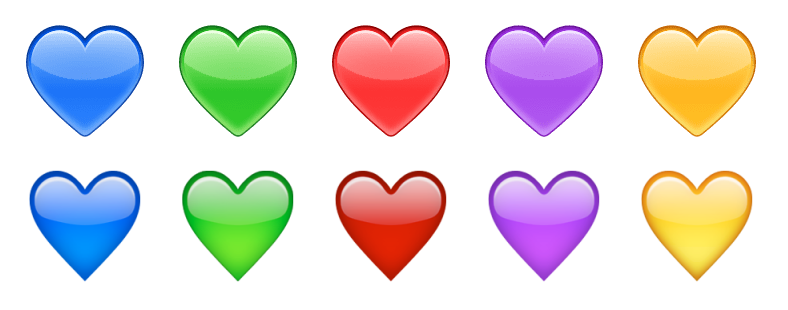
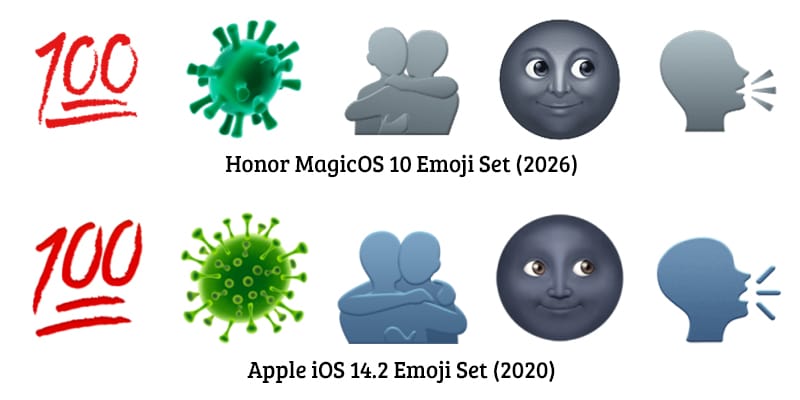
A variety of other emojis also closely follow Apple's designs more so than those from other platforms (e.g. 💯 Hundred Points, 🌚 New Moon Face).
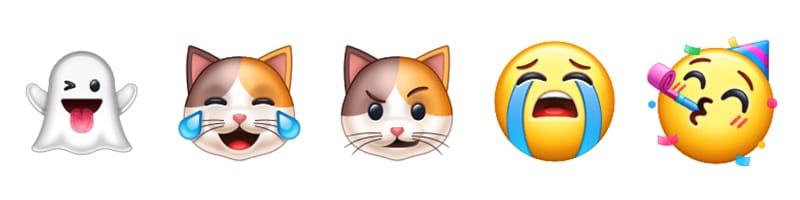
Additionally, the 👻 Ghost emoji seems to be inspired by Microsoft's winking design, the various 🐱 Cat Face emojis (such as the 😹 Cat With Tears of Joy and 😼 Cat With Wry Smile shown below) uniquely depict calico cats, and both the 😭 Loudly Crying Face and 🥳 Partying Face have deeper-than-average tilts within the Honor set.
A Brief History of Custom Android Emojis
Manufacturer-specific emoji sets on Android devices were far more common in the mid-2010s than they are today. LG, HTC, Samsung, and Japanese carrier Docomo all maintained their own custom designs during that period.
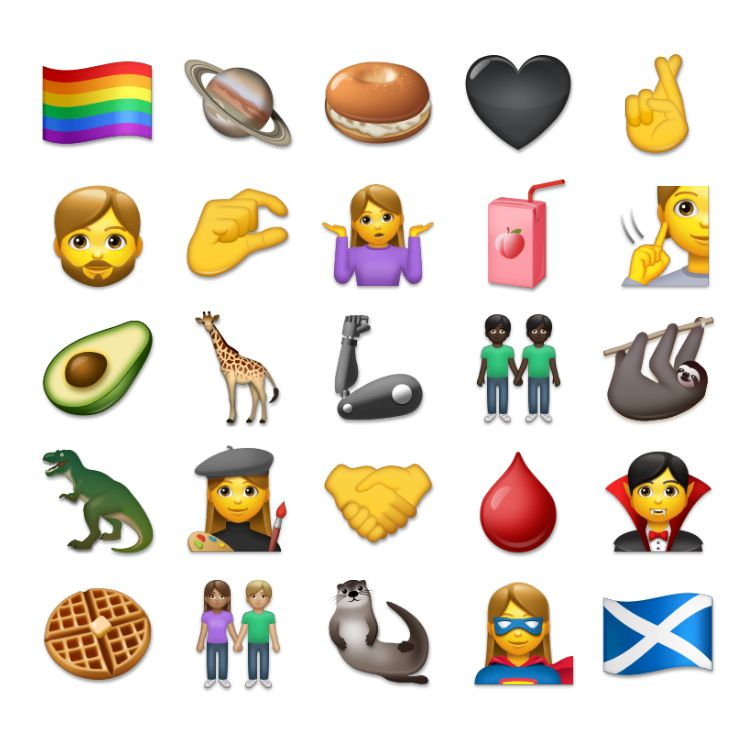
LG's set went quiet after 2016, then saw an unexpected one-off revival: nearly 1,500 new designs were added spanning 2016 to 2019's emoji recommendations, and hundreds of earlier designs were revised. However, this return did come after LG Electronics had announced it would withdraw from the phone manufacturing industry in July 2021.
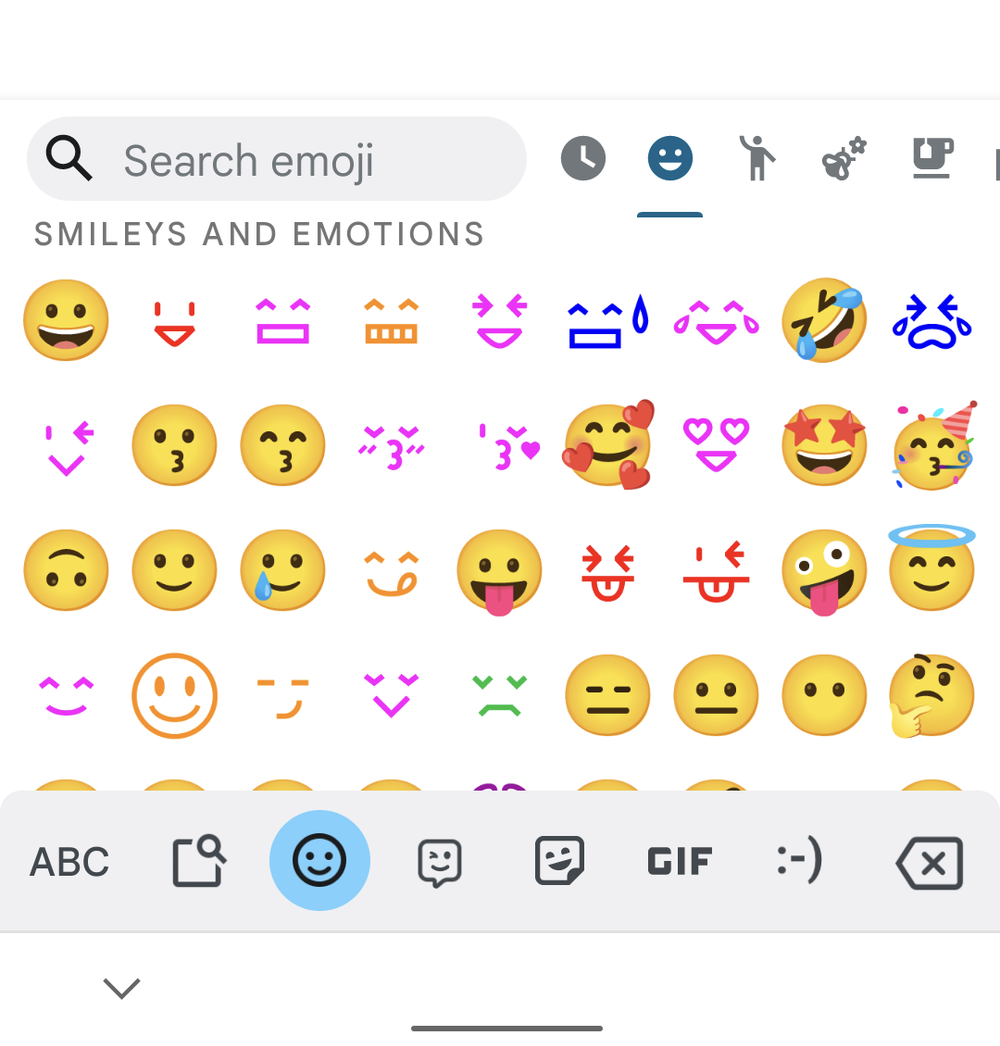
Docomo maintained a hybrid subset of its own custom designs alongside Google's Noto Color Emoji font for over a decade, before its set was officially and fully discontinued in May 2025, ending a design lineage dating back to 1999.
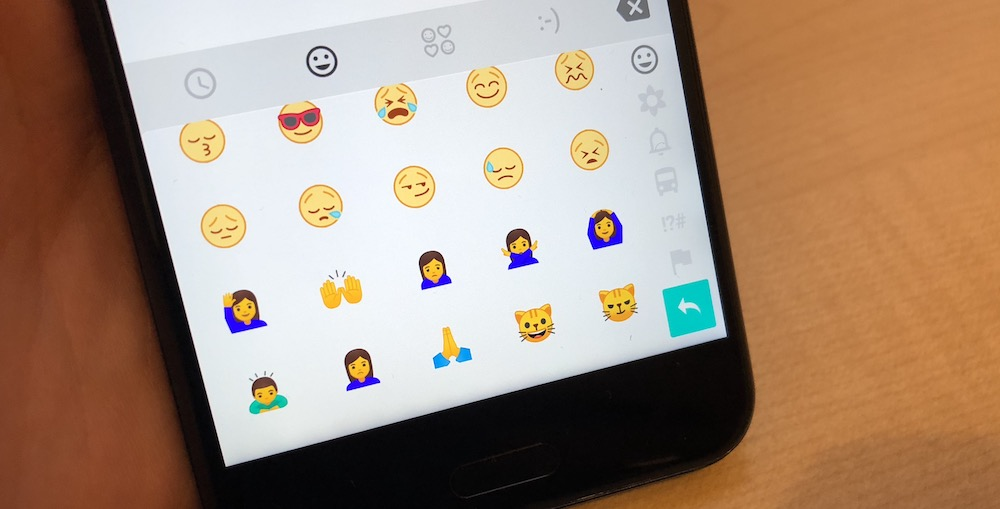
HTC's decline followed a similar hybrid pattern to Docomo's rather than a clean cutoff. After HTC Sense 8 removed the vast majority of HTC's custom designs in April 2016, the company retained only its pre-2017 smiley designs (76 in total), with everything else, including newer emoji, displayed using Google's own designs.
Samsung remains the most prominent long-standing holdout, having maintained a fully custom set continuously since it debuted on the Galaxy S4 in April 2013, longer than any other current custom Android manufacturer set (i.e. excluding the Google Noto Color Emoji set).
It's also worth noting that Samsung's own custom set has at times been supplemented at the app level. Apps built with Google's AppCompat library, such as Gboard, can display Google's Noto Color Emoji designs for emoji not yet supported by a device's native font, meaning Gboard has, at times, presented a Noto Color Emoji design for a not-yet-added emoji even on Samsung devices. The same holds true for the same apps on Huawei and Honor devices.
With Huawei's 2023 revival and Honor's now joining it, Samsung is no longer the only manufacturer maintaining a fully custom set, simply the one that has done so for the longest without interruption.
Huawei's 2023 revival, followed now by Honor's own set, marks a live counter-trend to that broader mid-2010s decline, with two more manufacturers actively investing in native emoji design at a time when most others have stepped away from it. Will others such as Xiaomi follow suit in the future? If they do, we'll be sure to cover it here at Emojipedia.
Read More
- See all of the Honor emoji designs
- See all of the Huawei emoji designs
- Samsung One UI 8.5 Emoji Changelog [March 2026]
- Emoji Design Convergence Review: 2018 - 2026 [January 2026]
- Docomo Emoji Set To Be Officially Discontinued [May 2025]
- LG Emojis Return To Say Goodbye [September 2021]
- Farewell to HTC Emojis [February 2018]