The Seahorse Emoji WAS Real (But Not the One You Remember)
Many swear they remember a seahorse emoji. Reddit, TikTok, and AI chatbots insist it exists. They’re wrong, but thanks to a brand-new discovery, maybe not entirely. This World Emoji Day 2026, let us explain the truth behind this Mandela effect and the emoji that actually existed.

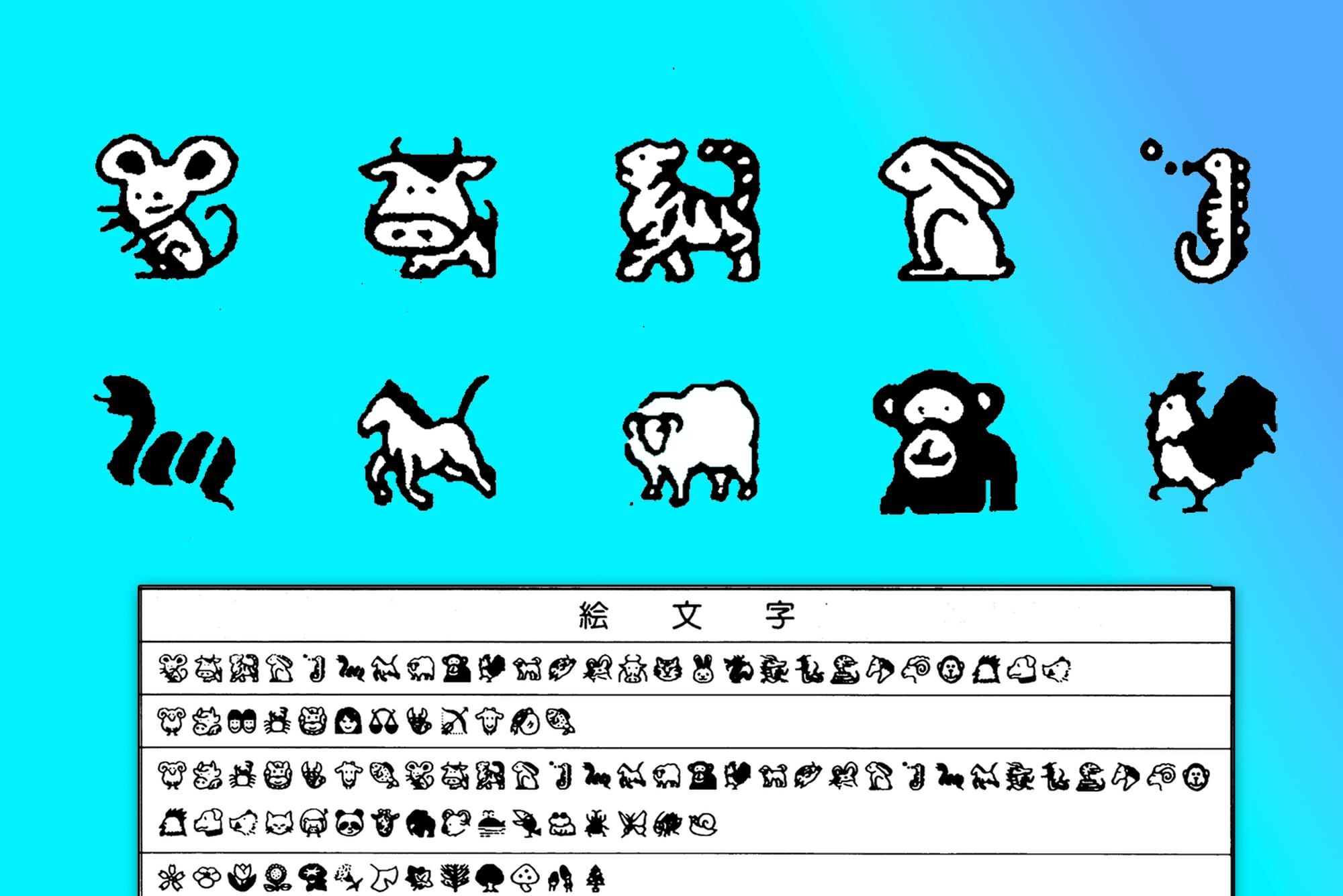
Plenty of people will swear blind they remember a seahorse emoji (small, curled tail, usually facing left). Reddit has threads on it, there's been several Tiktoks, and AI chatbots had started confidently stating it before having a bit of a breakdown. They're all wrong, but as it turns out thanks to a new discovery, maybe not entirely wrong either. So today, on World Emoji Day 2026, let us explain what's going on.
Now, to be clear, there has never been an official seahorse emoji on your phone's keyboard. It's never appeared in Unicode's list of approved emoji, not in SoftBank's 1997 set, not in NTT DoCoMo's 1999 set, or any other early Japanese emoji set that came after those.
We previously covered the "why does everyone remember this" question on our Is There a Seahorse Emoji? page. It's a classic Mandela effect: a shared false memory, named for the number of people who wrongly recall Nelson Mandela dying in prison in the 1980s rather than in 2013. The Berenstain Bears (not "Berenstein") and Pikachu's non-existent black tail-tip belong to the same club.
@jumpersjump Seahorse Emoji Mandela Effect 🤯 #fyp #podcast #jumpersjump ♬ original sound - Jumpers Jump Podcast
Except it turns out there really was a seahorse emoji once. It's just almost certainly not the one you're picturing.
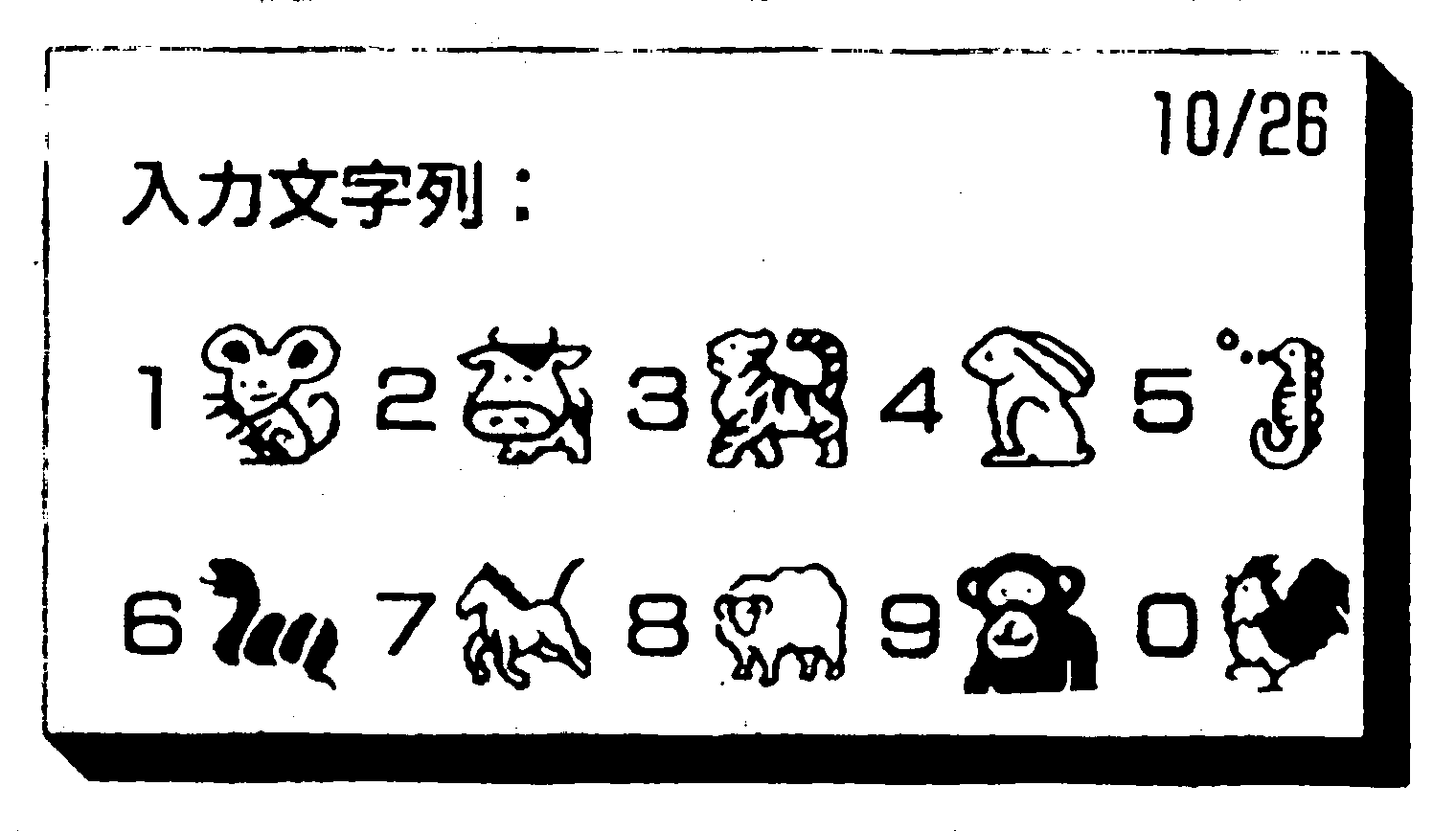
In Long Time No Sea: Finding the Seahorse Emoji, published for World Emoji Day, researcher Matt Sephton dug up the manual for a 1988 Toshiba Rupo JW 95F word processor. Buried among its built-in pictorial characters: a small seahorse.
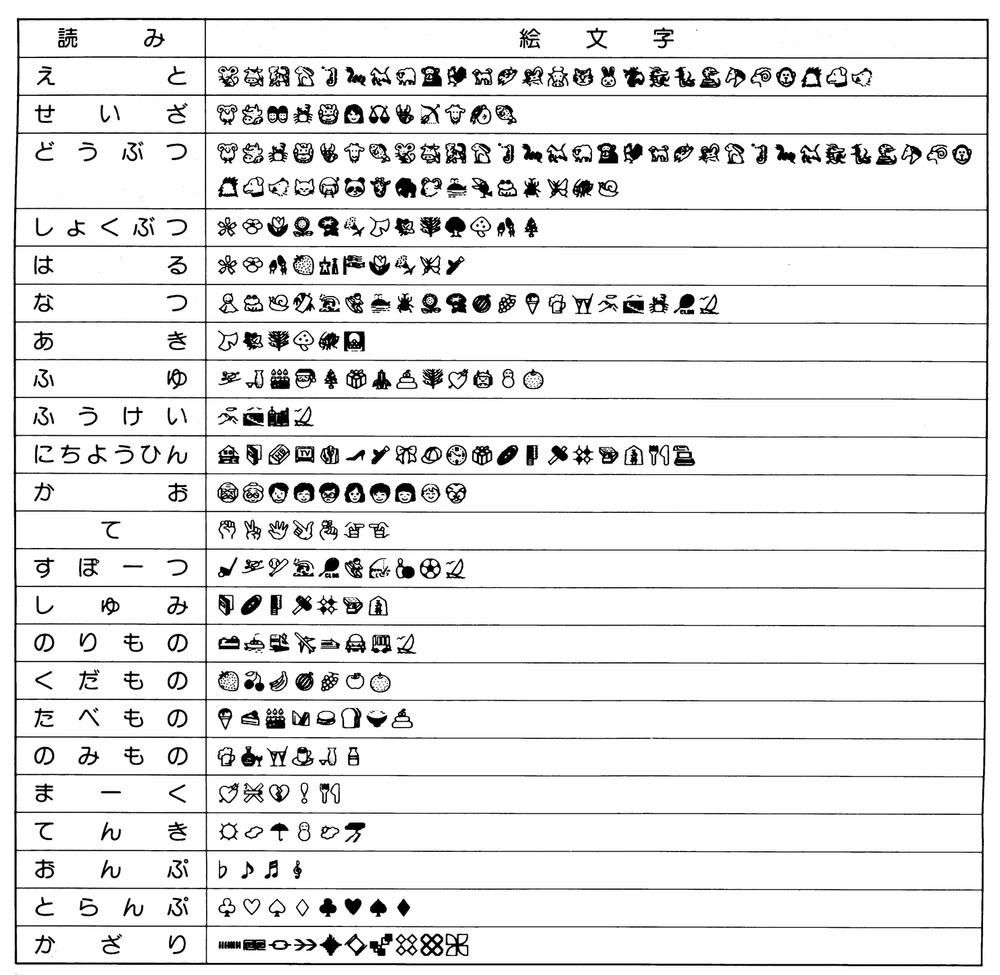
Additionally, and an interesting detail in its own right, this 1988 word processor manual explicitly refers to these icons as "emoji" (絵文字).
Editor's Note: This is a companion piece to "The Word "Emoji" Is Older Than You May Think", as the same research turned up an answer to the seahorse question. Full credit goes to Matt Sephton at Get Info / GingerBeardMan.
There's a good reason it's there. In the manual's zodiac lineup, the seahorse sits fifth, exactly where the dragon should be (rat, ox, tiger, rabbit, seahorse, snake, horse). The Japanese word for seahorse, タツノオトシゴ, literally means "the dragon's lost child," which makes it a fittingly on-brand substitute.
This Toshiba device's use of a zodiac-based emoji set wasn't an anomaly. Previous research by Sephton on what we've previously dubbed "proto-emoji" sets from other early Japanese devices of the 1980s / early 1990s shows that including the zodiac was actually quite common.
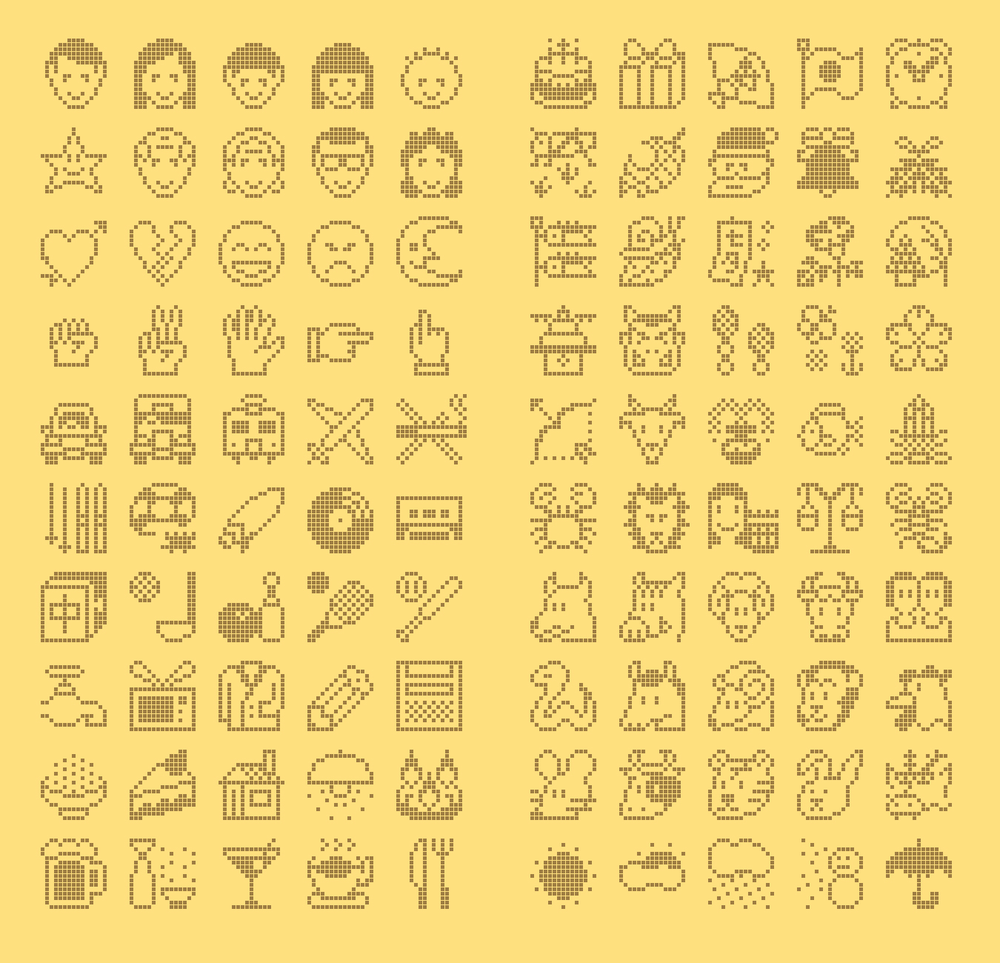
We here at Emojipedia are genuinely charmed by this discovery, even if we are hesitant to call it definitive proof of where the internet's collective seahorse memory comes from.
The odds that you personally used this exact seahorse are slim; it would mean you were tapping away on a fairly obscure 1988 Japanese word processor rather than a modern smartphone. But the emoji existed, which is more of a physical paper trail than the Mandela effect usually grants us.
Unfortunately, none of this gets you a seahorse on your keyboard today. A seahorse was last seriously proposed to Unicode in 2018 but was declined, and nobody has substantively tried since. But while we still don't have the emoji, we finally have a fascinating new piece of history to look back on, all thanks to Matt Sephton and a 38-year-old word processor.