Google's 3D Emoji Overhaul: What, When & How Does It Compare
At this week's Android Show I/O Edition, Google previewed a 3D overhaul of their Noto Color Emoji set. Here, we detail what we currently know, consider this in the context of previous Google emoji updates, and compare the previewed designs to a similar emoji vendor update from recent years.

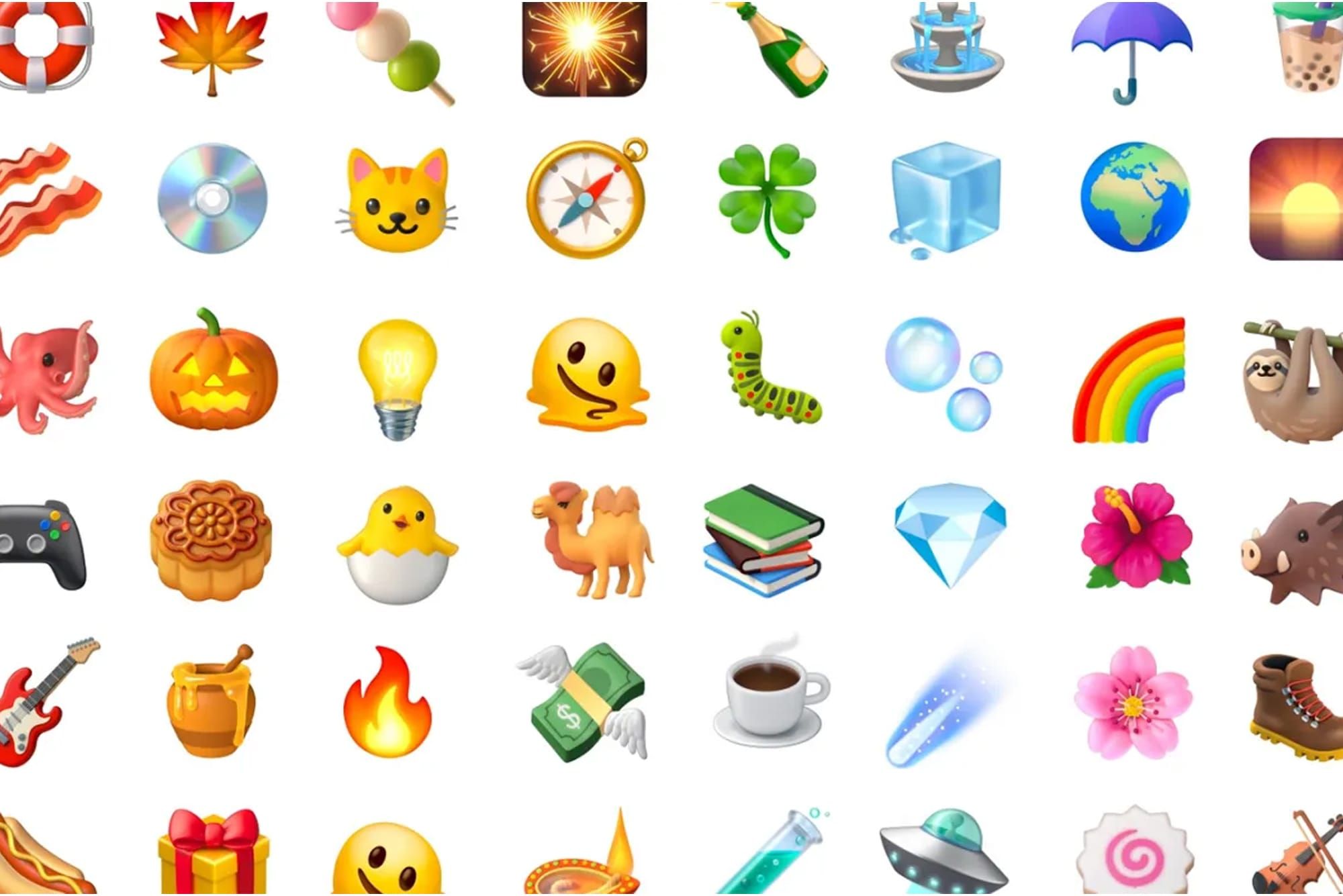
At this week's Android Show I/O Edition, Google previewed a 3D overhaul of their Noto Color Emoji set. Here, we detail what we currently know, consider this in the context of previous Google emoji updates, and compare the previewed designs to a similar emoji vendor update from recent years.
Editor's Note 1: Android 17 was released on June 16, but did not include the Noto 3D emoji design set. It is expected to arrive in a subsequent update later this year.
Editor's Note 2: These new Noto 3D Emojis made their debut on Pixel 11 devices, released August 20 2026.
What Is The Update?
Dubbed Noto 3D within Google's official blog post, this upcoming emoji set update represents a complete aesthetic overhaul of their existing Noto Color Emoji designs.
As Google's emoji lead Jennifer Daniel described on Instagram, the new designs are "hand-modeled 3D emoji" and "YES THEY ARE ACTUALLY TRUE 3D OBJECTS."
Whether Noto 3D will be distributed as a distinct font from Noto Color Emoji, or whether it will replace the existing font outright, has not yet been confirmed by Google.
Additionally, it is not yet known whether a similar 3D overhaul is also planned for Noto Color Emoji's animated counterpart to coincide with the release of Noto 3D.
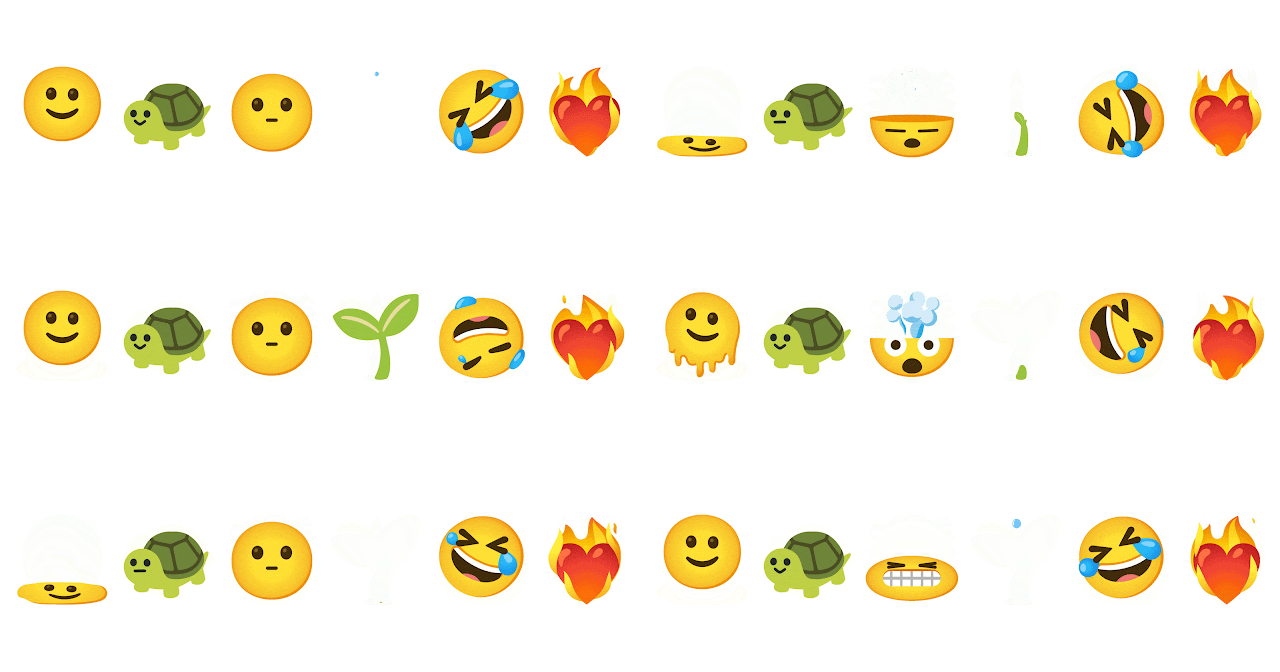
Beyond the move to 3D, it's worth noting that the Noto 3D set could also contain structural changes to select emoji designs upon their official release.
As Dr. Alexander Robertson, a Google researcher who contributed research to the project, noted on X (fka Twitter):
We redesigned ~4000 Google Noto Emoji by hand!
— Dr. Alexander Robertson (@a_d_robertson) May 12, 2026
(Well, I say "we" but I only did the research behind the scenes. Nobody lets me draw anything, for good reason.)https://t.co/9Xfl26uQDn
The Unicode Consortium's Emoji Subcommittee Research (ESR) working group has been conducting a multi-phase audit of emoji designs across vendors, with the goal of improving design coherence across platforms.
As documented across several ESR reports to the Unicode Technical Committee, including those for UTC #182, #183, and #187, the working group has been identifying emoji with significant design divergences, and attempting to establish which of the vendors' designs is actually viewed most favourably by emoji users. For example:
We have preliminary results confirming Q1’s finding that animal emoji are seen as better representations when they are a full body. The plots below show how a full-body design (BOAR) is highly selected, but where no full-body design is available (WOLF) then overall selection rates are low.
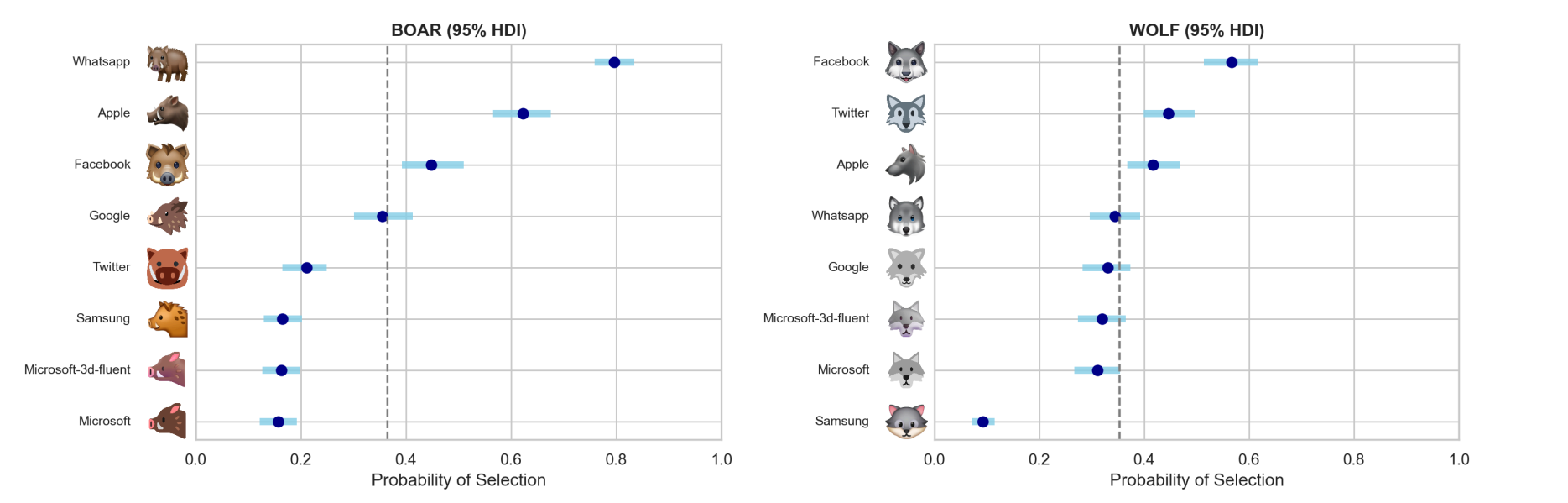
It is therefore possible that Noto 3D contains a series of design updates based on the findings of the ESR audits, potentially ahead of the release of Emoji 18.0 in September 2026.
This is of note as Emoji 18.0 contains a series of recommendations specifically aimed at resolving significant examples of design divergence for select emojis, specifically:
- a Monarch Butterfly (as opposed to the non-specifying 🦋 Butterfly)
- a Pickle (as opposed to a 🥒 Cucumber)
- a Meteor (as opposed to a ☄️ Comet)
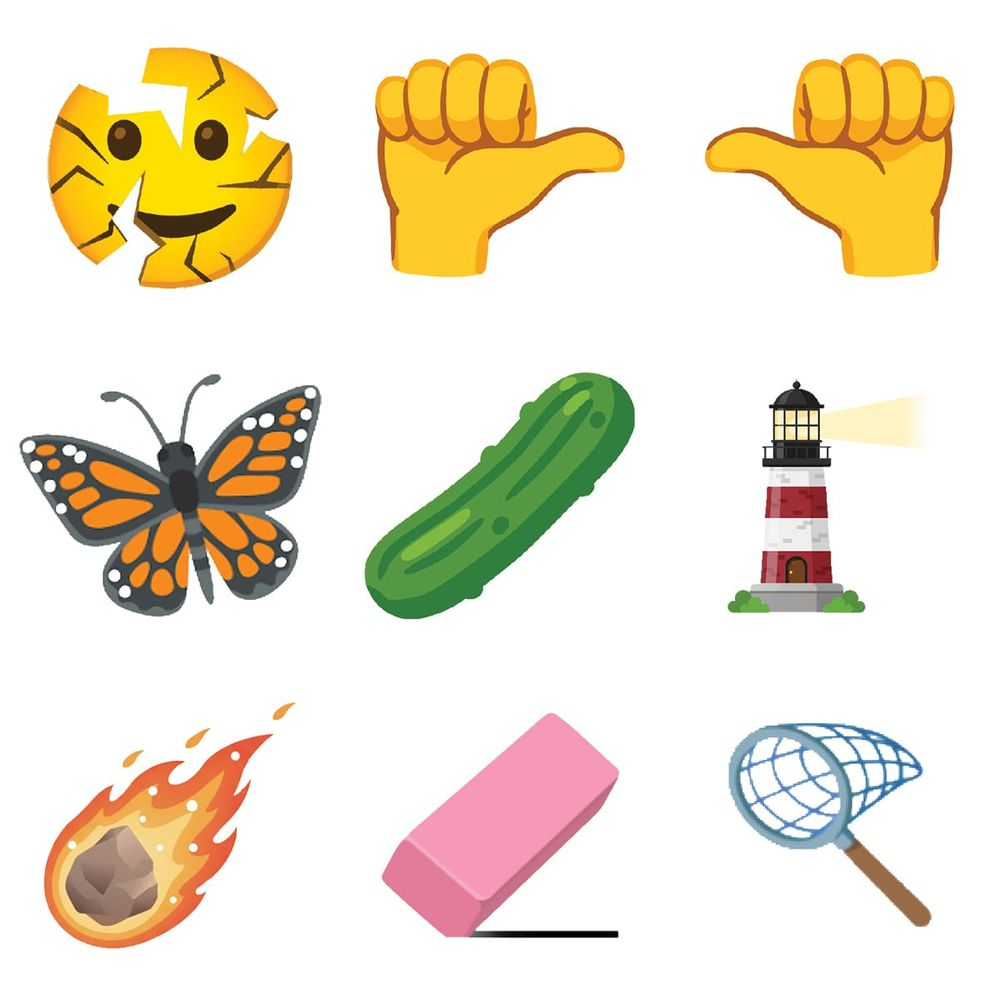
You can learn more about Emoji 18.0 here and here.
However, it could equally be the case that Dr. Robertson's research was conducted as a separate project to the Unicode emoji design audit, focused specifically on the aesthetics of the Noto set rather than cross-vendor interoperability.
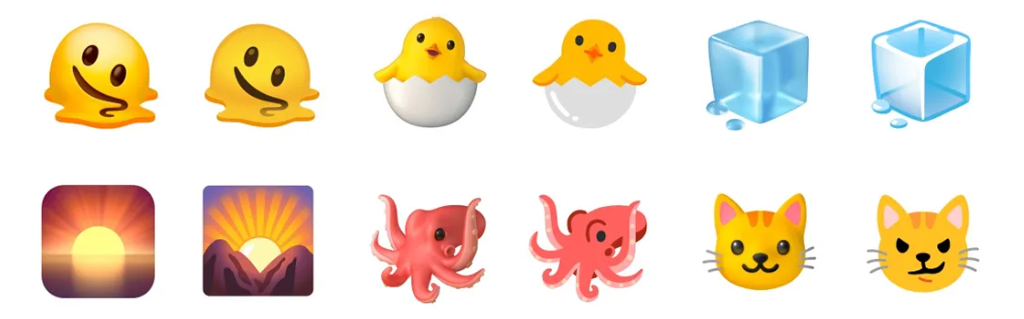
All this being said, based on the preview images we've seen, the 🐗 Boar emoji continues to depict the creature's head alone.
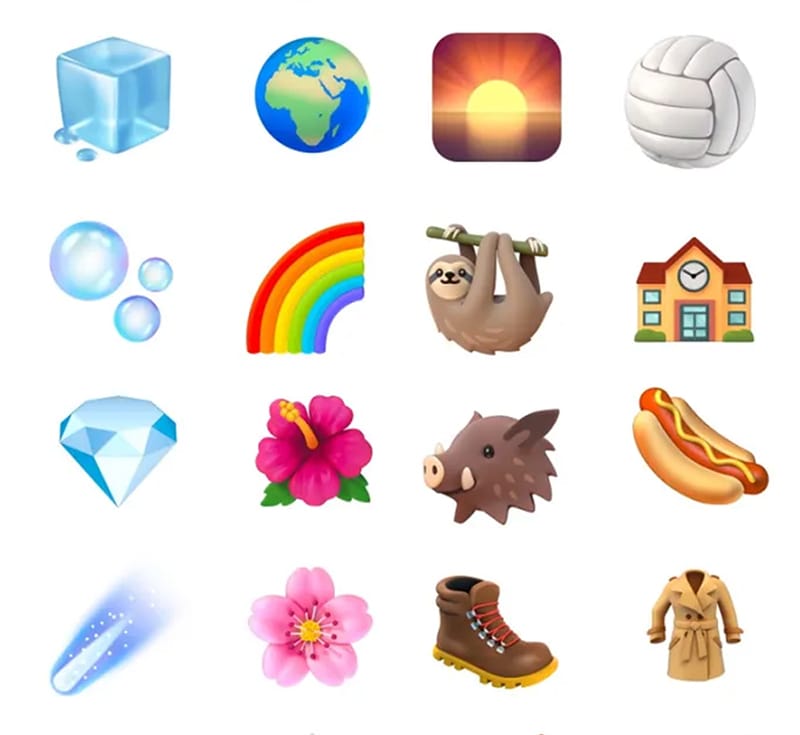
So while additional changes are possible as part of this upcoming 3D release, they are purely speculative and not yet supported by any clear indication within the previewed images.
When?
Google has confirmed that Noto 3D will be coming to Google products "later this year", with Pixel phones receiving the update first.
This is consistent with how Google has handled several previous emoji updates. Feature Drops for Pixel devices have previously served as the debut vehicle for new Google emoji, including the Android 10.0 March 2020 Feature Drop and the Android 11.0 December 2020 Feature Drop, both of which brought updated emoji designs to Pixel hardware ahead of a wider rollout.
But when exactly can we expect Pixel devices to receive this update? Well, the Android Show I/O Edition was largely focused on previewing features from the upcoming Android 17 release.
Android 17 is expected to be officially released in June or July 2026, meaning that Pixel users could be using Noto 3D emojis by World Emoji Day 2026.
Editor's Note: Android 17 was released on June 16, but did not include the Noto 3D emoji design set.
Compared To Other Updates
The Noto 3D announcement marks the latest chapter in a long history of aesthetic reinvention for Google's emoji set.
Google's designs have undergone several distinct visual eras since their introduction:
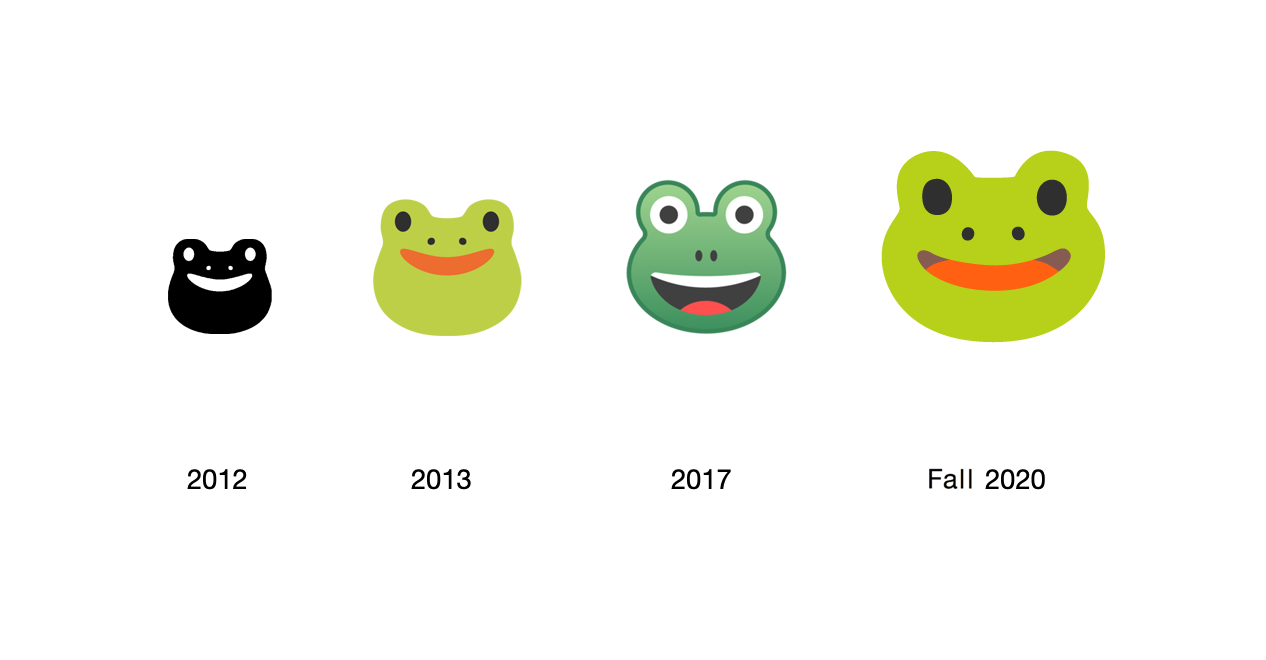
- the early black-and-white designs of the early 2010s.
- the rounded, cartoonish blob characters that became iconic through the mid-2010s.
- a gradient-shaded redesign introduced with Android 8.0 in 2017.
- the flat, clean aesthetic of the current Noto Color Emoji set, which arrived with Android 11.0 in 2020 and contained some notable design throwbacks.
Noto 3D represents the fifth major aesthetic incarnation of Google's emoji, excluding their initial animated Gmail set.
The closest comparable rollout from another major vendor is Microsoft's Fluent emoji overhaul, announced in July 2021 and still, in some respects, ongoing.
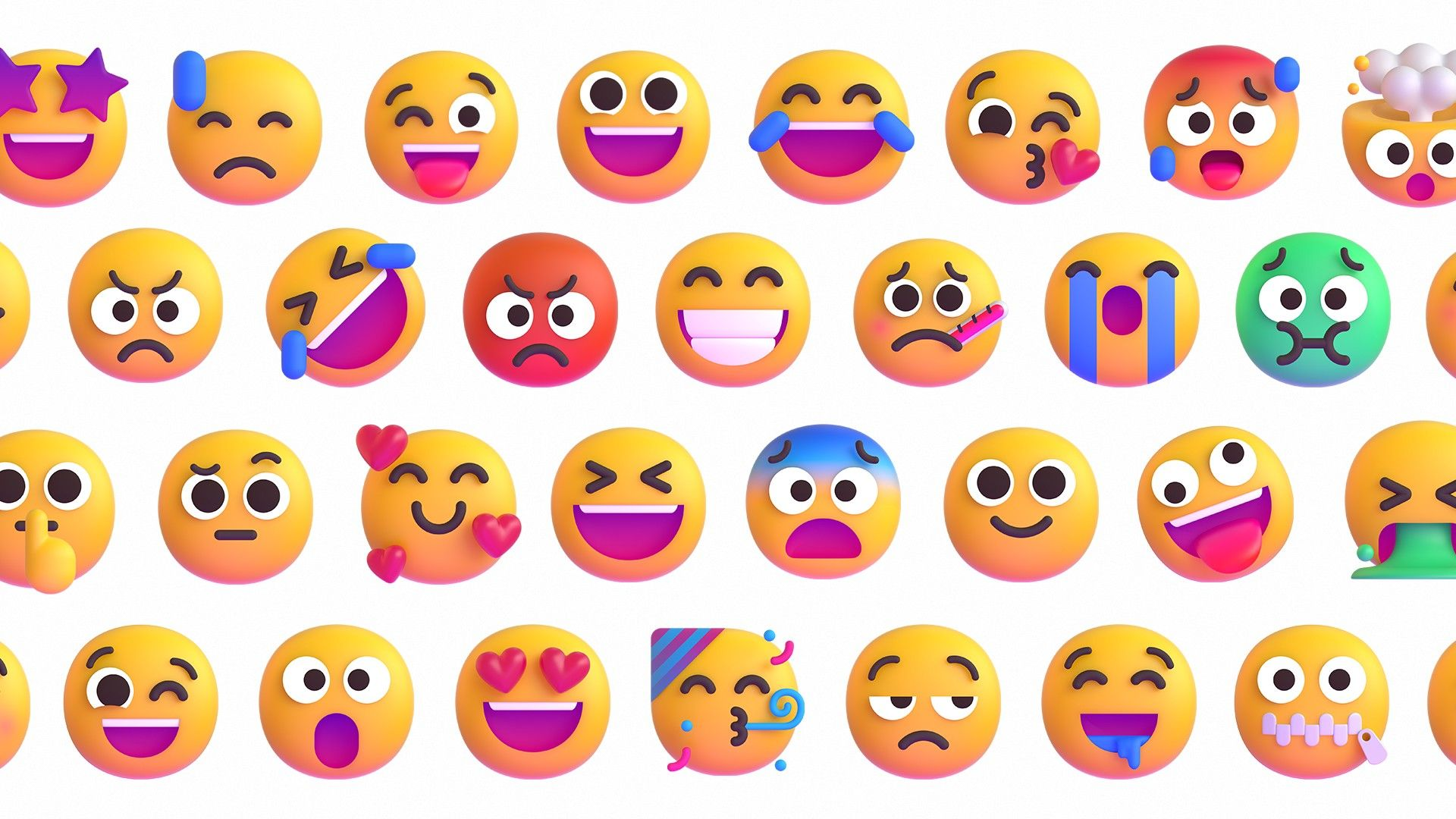
When Microsoft first previewed the Fluent emoji set ahead of World Emoji Day 2021, the designs shown were fully 3D: richly shaded, glossy, and volumetric. The reception was enthusiastic.
What actually shipped to Windows 11 users in November 2021, however, looked quite different: a 2D flat version of the Fluent designs, not the 3D originals.
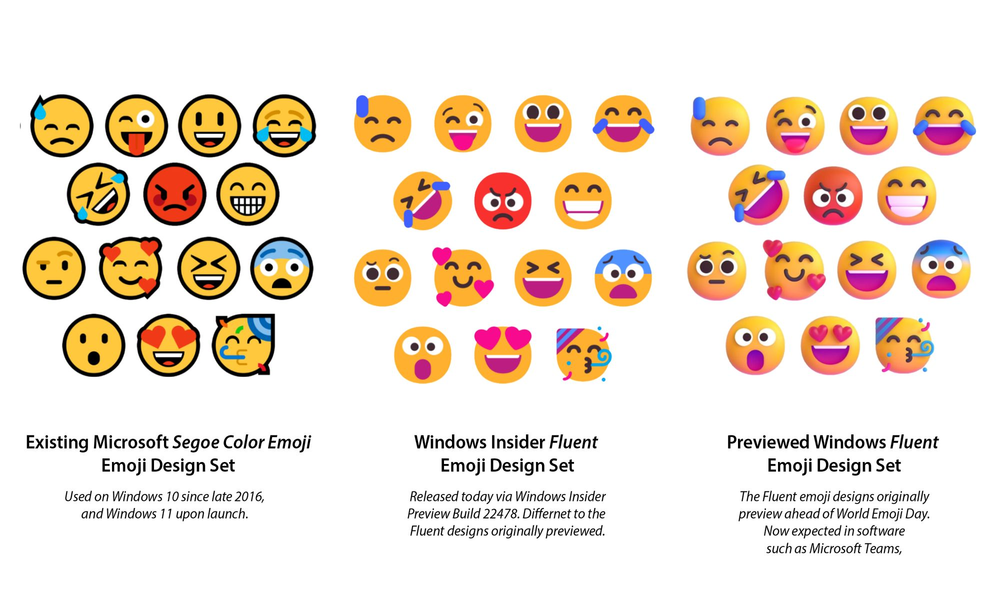
The reason came down to technology. Microsoft's 3D Fluent designs relied on the COLRv1 color font format, which at the time lacked the broad app and browser support needed for a universal rollout.
The 3D designs were initially limited to Microsoft Teams, while Windows itself received the flatter version. It was only from early 2025, following the wider adoption of COLRv1 rendering support across applications and browsers, that the 3D Fluent set became the de facto emoji experience for most Windows users, though the 2D versions are still present within some apps, platforms, and text display fields.
The lesson of Microsoft's Fluent rollout is that the gap between a 3D emoji preview and a 3D emoji reality can be a long one.
Even if Noto 3D arrives on Pixel devices alongside Android 17 this summer, the flat Noto Color Emoji set could remain the Google emoji experience for most users for some time to come.
That's not a criticism, more so simply how large-scale font technology transitions work in practice. But it does mean that it's quite possible the world won't flip to Google's new 3D designs overnight: a platform-by-platform, app-by-app rollout could well be the case following the launch of Android 17.